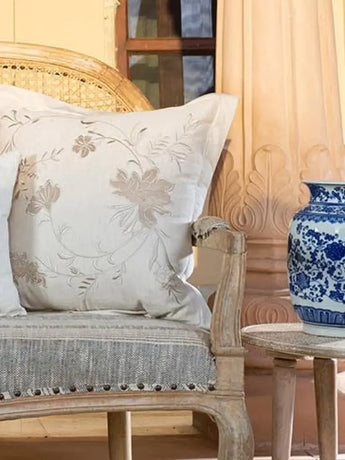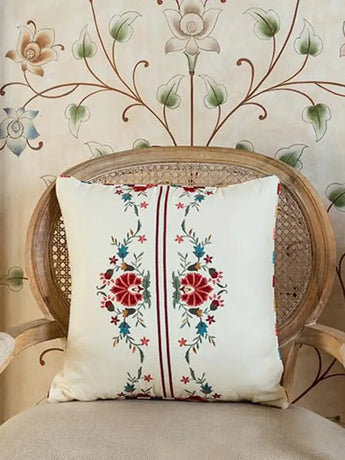
The Festive Home Refresh: How to Change Your Living Room for Diwali in One Afternoon
Change your cushion covers to festive jewel tones, add one warm throw over the sofa, and group a few diyas on one surface. That is a Diwali room. No new furniture, no weekend project, no professional help needed.
Most people spend the week before Diwali stressing about what to buy. New lamps, new curtains, a new rug, something that will make the living room feel different from how it looks every other day of the year. It is rarely any of those things that makes the difference.
The living room already has everything it needs: a sofa, furniture, surfaces. What changes for Diwali is the palette on top of it. Swap the textiles, add the light, and the same room reads as a completely different space. Here is how to do it in one afternoon.
Why the Living Room Is the Right Place to Start
The living room is where Diwali is celebrated. Where guests come in, where the family sits together, where the diyas first get lit. It is also the easiest room to transform because the base stays completely fixed. The sofa does not move. The floor does not change. The walls stay the same colour.
Everything that makes a living room feel festive sits on top of those fixed elements. Cushions, throws, accent objects. All of it can be changed in an afternoon and changed back after Diwali in the same amount of time. This is the entire logic of a festive home refresh: you are not redecorating, you are changing the layer that sits on top of what is already there.
Step One: Swap the Cushion Palette

This is the highest-impact change and it takes about thirty minutes. The festive Diwali palette is built on three tones: one deep jewel colour such as burgundy, forest green, or deep teal; one warm metallic such as antique gold or copper; and one neutral anchor in ivory or cream that keeps the arrangement from getting too heavy.
The key is not to replace every cushion on the sofa. Keep one or two neutral everyday cushions in place and replace the remaining pieces with festive tones. This keeps the arrangement feeling layered rather than just repapered.
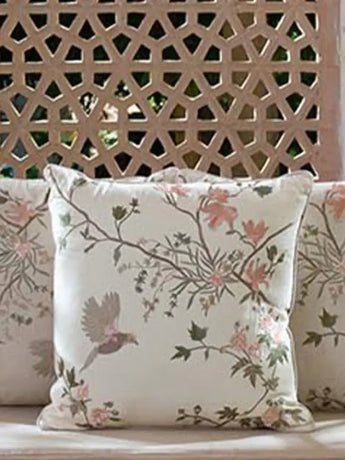
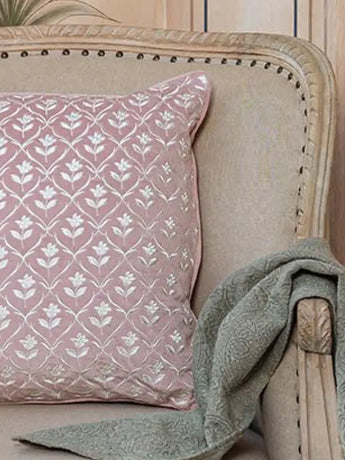
For the Diwali cushion palette, MiRooh's Mushfiq collection carries Mughal-inspired gold embroidery that sits naturally alongside diyas and candlelight. The Nakkashi collection, specifically JUGNU and BIDRIYA, uses antique silver Zari on dark velvet that catches warm light beautifully. The Daneen Red cushion from the Gulfam collection brings the jewel tone without introducing a new pattern. And a Shazi Chikankari cushion in ivory stays as the neutral anchor that holds the whole palette together.
Keep your everyday cushions in a basket nearby. Swapping back after Diwali takes under ten minutes. The same basket works for putting the festive ones away until next year.
Shop: Shop Mushfiq Collection | Shop Nakkashi Collection | Shop Gulfam Collection
Step Two: Add the Throw
A throw over one armrest adds a layer of warmth and texture that reads as intentional and festive. It also has a genuinely practical function during Diwali gatherings when the evening gets cool.
For Diwali, the throw should lean warm. A beige, ivory, or rich neutral sits naturally alongside jewel-tone cushions without adding another competing colour to the palette. MiRooh's Ferdaus Bahaar Beige throw works particularly well in this role because the warm beige tone bridges the ivory neutral cushions and the deeper jewel tones without pulling attention away from either. The Noor Ivory Latte is the quieter alternative for rooms where the cushions are already doing significant colour work.
Placement matters. Drape it casually over one armrest or fold it loosely across one sofa corner. Never lay it flat across the sofa back, which looks like the throw was placed there to be photographed rather than used.
Shop: Shop Ferdaus Bahaar Throw | Shop All Throws
Step Three: The Surface Details

Surfaces are where Diwali traditionally lives. The side table, the console, the dining table corner. This is where diyas go, where candles are grouped, where the festive accessories that signal the season get placed.
Three objects on one surface is enough. One set of diyas, one candle grouping, one small votive or kulhad. Group them together rather than scattering them across every surface in the room. One strong grouped arrangement with height variation, a tall candle alongside shorter diyas and a small votive, reads as curated. Seven individual objects placed randomly across a room reads as clutter.
MiRooh's festive accessories range covers all three: the Angoor Bela Forest diyas, the Bel Buta Lilac candle sets, and the Kikli Silver votives all carry embroidery and craft detail that coordinates naturally with the cushion palette already on the sofa. The colour story that runs through the cushions should run through the surface objects as well.
What to Avoid
Buy nothing structural for Diwali. No new furniture, no new curtains, no new rug. The furniture is not what makes a room feel festive, the textiles on it are.
Avoid spreading the festive palette too thin. Three tones across the cushions and accessories is enough. More than three colours in a festive arrangement starts to read as carnival rather than celebration.
And resist scattering diyas across every surface. Ten individual candles across a room disappear into the background. One grouped arrangement of the same ten candles on a single surface becomes the focal point of the room.
FAQ
How do I change my living room for Diwali without buying new furniture?
Swap your cushion covers to jewel tones and metallic embroidered pieces, add a warm-toned throw over the sofa, and group a diya and candle arrangement on one surface. These three changes transform a living room in under an hour without touching any furniture.
What colours work best for Diwali home decor?
Deep jewel tones like burgundy, forest green, and deep teal work best alongside warm metallics like antique gold and copper. Keep one neutral anchor piece in ivory or cream so the palette does not become too heavy. Three tones maximum across the whole arrangement.
What type of cushions are best for Diwali?
Hand embroidered velvet cushions work best for Diwali because the embroidery catches candlelight and diya light in a way printed fabric does not. Mughal-inspired embroidery, Nakkashi metallic threadwork, and Kashinda floral embroidery are particularly well suited to the festive season.
How long does a Diwali living room transformation actually take?
Swapping cushion covers takes around 30 minutes. Adding a throw takes under 10 minutes. Setting up a surface arrangement takes around 20 minutes. The full transformation from everyday to festive is comfortably done in one afternoon, and reversing it after Diwali takes the same time.
Your Diwali Room Is One Afternoon Away
Swap the cushions. Add the throw. Light the diyas. Everything you need is already in MiRooh's festive collections.
SHOP DIWALI CUSHIONS SHOP THROWS ALL COLLECTIONS