Why More Urban Indians Are Choosing Handcrafted Home Decor in 2026
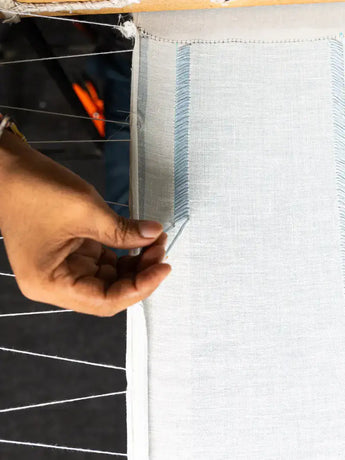
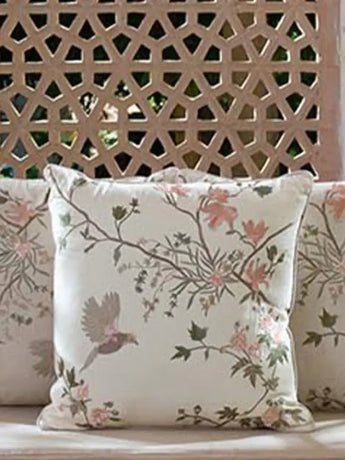
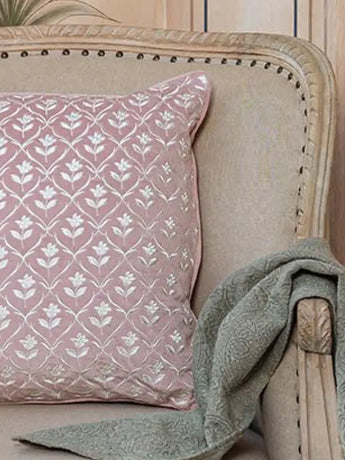
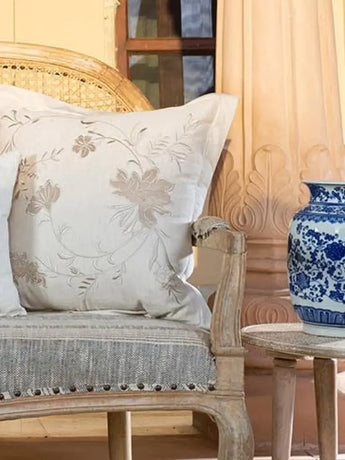
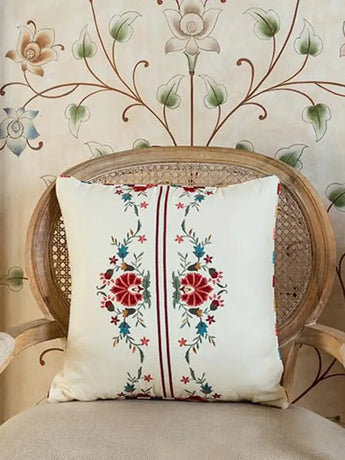
Walk into the living room of a thoughtful urban Indian home in 2026 and you will notice it immediately. The sofa might be a clean-lined contemporary piece from a furniture brand. But the cushions on it are different. They carry embroidery that took a skilled pair of hands several days to complete. They carry a name from a craft tradition that is centuries old. They carry a story that a mass-produced printed cover simply cannot.
This is not a niche movement. Across Mumbai, Delhi NCR, Bengaluru, Hyderabad and Pune, a growing number of urban Indian buyers are making a deliberate choice: handcrafted over mass-produced, meaning over convenience, craft over speed. And the living room cushion has become one of the clearest places to see it.
The Fast Decor Problem That Urban India Is Waking Up To
For the better part of a decade, the Indian home decor market was dominated by the logic of fast decor: affordable, trend-driven, disposable. Buy five printed cushion covers online for a few hundred rupees each, change them in six months when the trend moves on, repeat. It was economical, it was convenient, and it filled the house.
But it did not quite fill the home. The rooms looked dressed. They did not feel lived in or personally meaningful. And buyers, particularly those in their late twenties and thirties who had grown up on fast-fashion and were starting to question it, began to notice the difference.
The question shifted from what does this look like to what does this mean. And that is exactly the question that handcrafted home decor is built to answer.
The Rise of Intentional Living in Indian Urban Homes
Intentional living is the idea that every object in your home should be there for a reason. Not just to fill space. Not just because it was on sale. But because it carries meaning, reflects something true about the person who lives there, and adds genuine value to the room and the life lived in it.
In the context of home textiles, this shift has a very specific and visible expression. Urban Indian buyers are increasingly choosing cushion covers that carry a craft story. A cushion from MiRooh's Nakkashi collection is not simply a cushion. It draws from Bidriware, the centuries-old Karnataka metalwork tradition of setting silver and gold into blackened metal. The BIDRIYA and JUGNU cushions translate that same visual vocabulary into embroidered velvet, bringing a craft that was once exclusive to royal courts into a modern home in Bengaluru or Mumbai.
That is intentional living at its most tangible. The object has weight. It has history. It earns its place on the sofa.
Shop: Shop Nakkashi Collection | Shop BIDRIYA Cushion | Shop JUGNU Cushion
Why Craft Heritage Resonates With the Urban Indian Buyer of 2026
There is a deeper cultural shift underneath the buying behaviour. The urban Indian of 2026, particularly the millennial and Gen Z homeowner, has grown up in a world of globalised aesthetics. Scandinavian minimalism, mid-century modern, contemporary industrial. These styles arrived in India through Instagram and Pinterest and home decor magazines, and were adopted quickly and enthusiastically.
But something was missing. The global aesthetic, however beautiful, did not carry the buyer's own cultural identity. It did not speak to where they came from, what their grandparents' homes felt like, or what India's extraordinary craft traditions look like when given a modern home to live in.
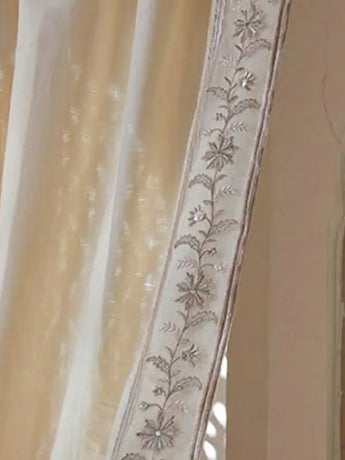
Handcrafted Indian home decor fills that gap. The Shazi collection from MiRooh, inspired by Chikankari embroidery, the 400-year-old Lucknow craft of white-on-white threadwork, brings a distinctly Indian aesthetic into the most contemporary of living rooms without looking traditional or dated. The KARI cushion, whose name means skilled artisan in Hindi, carries that idea in its name alone.
When an urban Indian buyer places a Shazi cushion on their sofa, they are not rejecting modernity. They are enriching it with something irreplaceable: the depth of their own heritage.
Shop: Shop Shazi Collection | Shop KARI Cushion
From Disposable to Heirloom: The Investment Mindset
One of the most significant changes in how urban Indians are shopping for home decor in 2026 is the shift from a disposable mindset to an investment mindset. Buyers are asking different questions. Not how much does this cost today but how long will this last and how will it look in five years.
The answer to that question almost always favours handcrafted over mass-produced. A genuine hand-embroidered velvet cushion, made with the skill and attention that goes into MiRooh's Mushfiq collection, does not fade, pill or flatten the way a printed polyester cover does. The embroidery holds. The fabric holds. The piece keeps its presence in the room for years.
The Sitta collection, built around Phulkari embroidery from Punjab, and the Mahavan collection, inspired by the tropical wildlife of Assam, are the kinds of pieces that get passed down. They are not seasonal decor. They are the beginning of a household's textile story.
A handcrafted cushion that costs three times as much as a mass-market alternative but lasts ten times longer is not a luxury. It is the more economical choice when measured over a full product life.
Shop: Shop Mushfiq Collection | Shop Sitta Collection | Shop Mahavan Collection
The Artisan Economy and Why It Matters to Urban Indian Buyers
There is one more force driving the shift toward handcrafted home decor in urban India, and it is worth naming directly. Urban Indian buyers in 2026 are more aware than any previous generation of where their purchases come from and what they support.
Buying a MiRooh cushion is not just a style choice. It is a decision that supports the artisan traditions behind the Baadamwari collection with its Kashmiri botanical motifs, the Gulfam collection with its Kashinda embroidery, and the Tarkashi collection with its gold and silver wire inlay craft. These are skills that take years to learn and generations to preserve. Mass production cannot replicate them. Only sustained demand from buyers who choose craft over convenience can keep them alive.
When the urban Indian buyer of 2026 places a handcrafted cushion on their sofa, they are making a statement that has nothing to do with trend and everything to do with values. They are saying that beauty and skill are worth paying for. That their home should carry the marks of human hands. That craft, in all its depth and variety, deserves a place in the modern world.
Shop: Shop Baadamwari Collection | Shop Gulfam Collection | Shop Tarkashi Collection
FAQ
Why are urban Indians choosing handcrafted home decor in 2026?
Several forces are converging: a growing rejection of fast decor and disposable home textiles, a desire for objects that carry personal and cultural meaning, an investment mindset that values longevity over low cost, and a growing awareness of the artisan economy that handcrafted purchases support. Urban Indian buyers are increasingly choosing cushions and home textiles that carry genuine craft stories from traditions like Chikankari, Phulkari, Bidriware, and Mughal embroidery.
What makes handcrafted cushion covers better than mass-produced ones?
Handcrafted cushion covers use genuine embroidery techniques that cannot be replicated by machine. The threadwork holds its form and colour over years of use. The fabrics are sourced and constructed to a higher standard. Each piece carries the variation and character that come from skilled human hands. And crucially, a handcrafted cushion carries a story: a craft tradition, a regional heritage, a named artisan technique, that mass-produced alternatives simply do not have.
Which MiRooh collections are best for an urban Indian home in 2026?
For minimalist urban interiors, the Shazi collection with its Chikankari white-on-white embroidery is the ideal choice. For a heritage-meets-contemporary look, the Nakkashi and Mushfiq collections bring Bidriware and Mughal art into modern spaces. For a celebration of India's regional craft diversity, the Sitta (Phulkari), Mahavan (Assam tropical), Gulfam (Kashinda embroidery), and Tarkashi (wire inlay) collections each bring a distinct regional tradition into the home.
Every MiRooh Cushion Is a Piece of India
Handcrafted from heritage traditions. Made for modern Indian homes. Delivered to your door.